MICROELECTRONICS
Starting at the microscale
Study relationships between electrodes, electronics and interconnects to define the signal-chain foundation.
Explore further ↗
From understanding neural activity to engineering reliable interaction.
Duosera explores the next connection between the brain and the world.
Duosera plans an interconnected technology system spanning neural interfaces, data and model platforms, and neural coding research. The initial focus is movement intention decoding and device control, connecting basic research with systems engineering.
Our direction ↗Study relationships between electrodes, electronics and interconnects to define the signal-chain foundation.
Explore further ↗Build complete engineering-validation records linking measurements, configurations and versions.
Explore further ↗Organize joint structural, functional and behavioral research around clear questions.
Explore further ↗Devices, software and coding research form three interconnected R&D directions.
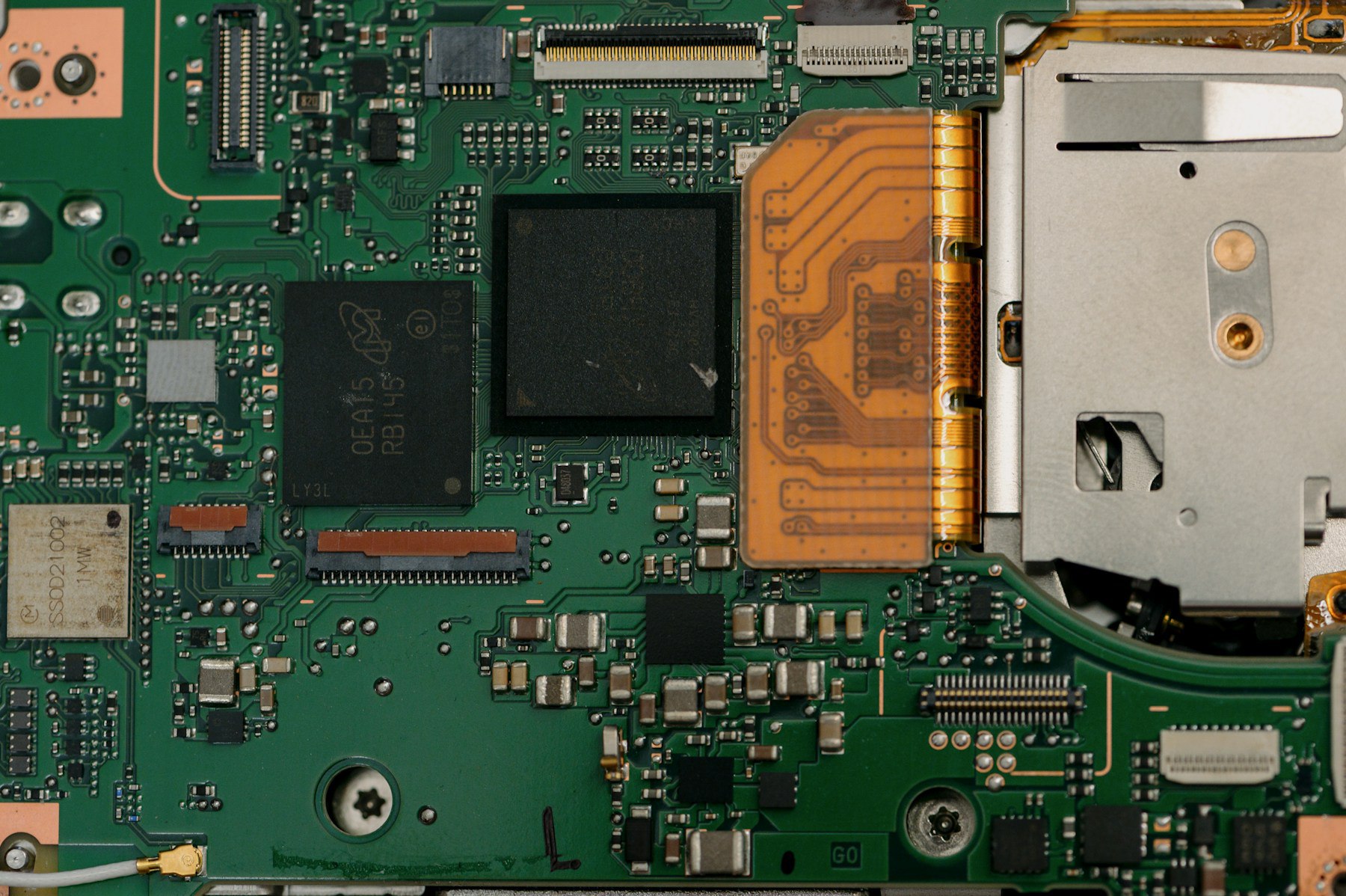
Plan a coordinated architecture for electrodes, implant electronics, external processing and real-time algorithms around high-throughput invasive neural interfaces.
Learn more ↗Build a signal-to-interaction pathway that can be assessed, understood and reviewed. Select a step to explore its research focus.
Define recording targets, acquisition conditions and evaluation boundaries around the intended task, giving subsequent signal processing a clear research foundation.
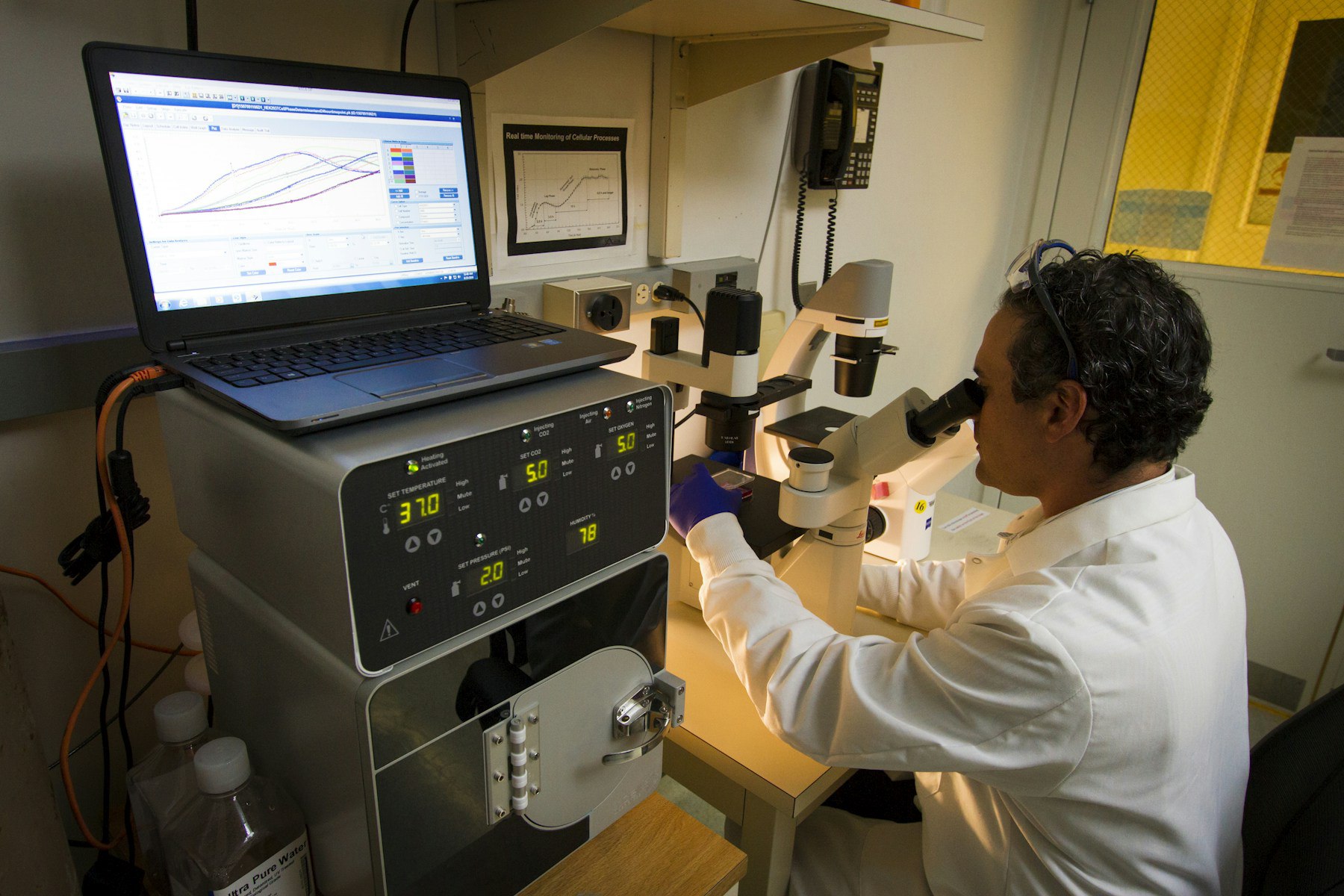
Four R&D directions address what to record, how to understand it and how to create usable interaction.
Seek stable patterns in observable neural activity that relate to tasks and behavior.
↗02 / RESEARCH FIELDTranslate broad scientific questions into clear tasks and practical evaluation criteria.
↗03 / RESEARCH FIELDExplore testable mappings between neural activity, intent, language and action.
↗04 / RESEARCH FIELDBring electrodes, electronics, power, telemetry and software together to address system-level questions.
↗Devices, measurement and system integration raise questions at different scales. The following public photographs and device examples are for reference; equipment and premises shown do not belong to Duosera.
Use real photography to provide research context, and clear questions to organize R&D.
Explore the image library ↗Start with research tools and explore application value through well-defined tasks and workflows. The following are planned directions.
Plan acquisition, data tools, tailored decoding and joint validation around defined research tasks.
Explore further ↗Initially focus on movement intention, exploring connections to computers, research actuators and digital environments.
Explore further ↗Link data conditions, processing steps and model versions to support long-term iteration.
Explore further ↗Neuroscience, electronics, software algorithms and product research need to collaborate around the same testable question. Duosera considers not only individual technologies, but how they can form a reliable system.
Meet Duosera ↗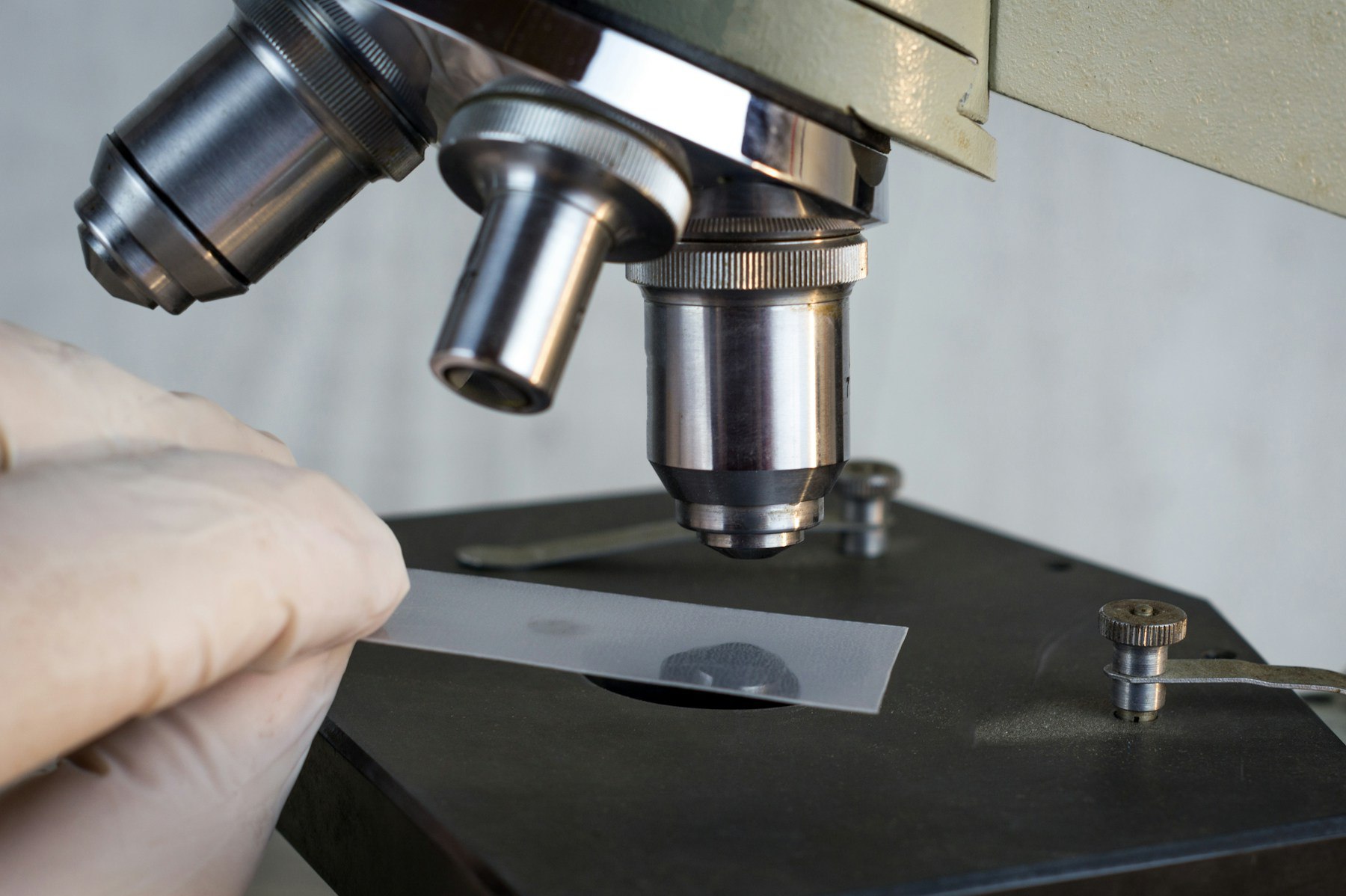
Research methods, systems engineering and responsibility in use all contribute to technical progress.
The value of a system depends not only on decoding outputs, but also on calibration, confirmation, user burden and long-term stability.
Read the article ↗Connecting multiscale brain research with interface engineering requires testable hypotheses, not simply compelling brain images.
Read the article ↗From informed consent to long-term maintenance, responsible neurotechnology begins at the earliest design stage.
Read the article ↗From electrodes and electronics to real-time software, the challenge is connecting interdependent design decisions.
Read the article ↗Build a reviewable history spanning acquisition, processing, training and operation.
Read the article ↗Consider confidence, confirmation and undo alongside decoding capability.
Read the article ↗